Little Quirk Font: Charm for Crafters
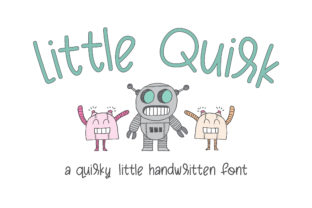
As a maker who spends hours perfecting the curve of a vinyl cut or aligning text on a printable label, I know that typography is not just about readability. It is about feeling. When a customer picks up a handmade candle or opens a wedding invitation, the typeface sets the emotional tone before they even read the words. This is why Little Quirk has become a staple in my design toolkit. It is a sweet and friendly handwritten font full of quirk, designed to deliver any message with a sense of innocence and charisma. For those of us in the creative business, finding a script font that balances personality with professional polish is rare, but this typeface hits that sweet spot perfectly.
Bringing Personality to Handmade Products
The visual personality of Little Quirk is distinct. It does not try to be overly formal or rigidly structured. Instead, it embraces the natural irregularities of human handwriting, which makes it ideal for brands that want to appear approachable, authentic, and warm. Whether you are creating boutique tags for a clothing line or designing packaging for artisanal soaps, this premium font adds a layer of perceived quality that generic system fonts simply cannot match. It suggests that a real person was behind the creation, fostering an immediate connection with the buyer.
In my own shop, I have used Little Quirk extensively for product labels. The charm of the letterforms works beautifully on small spaces, such as sticker labels for jam jars or hang tags for jewelry. Because it is a handwritten font, it avoids the coldness of standard sans serif options while remaining legible enough for essential information like scent names or material contents. However, it shines brightest when used for decorative wording rather than dense paragraphs. It is perfect for short phrases, names, and titles where you want the text to act as a graphic element itself.
Versatility Across Craft Mediums
One of the most valuable aspects of adding Little Quirk to your library of design assets is its versatility across different mediums. If you are a Cricut or Silhouette user, you will appreciate how well this font translates to physical cuts. The strokes are generally consistent enough to cut cleanly from vinyl without excessive weeding, provided you size it appropriately. I have used it to create charming farmhouse signs, welcome boards for weddings, and seasonal decor for holiday markets. The innocence in the letter shapes pairs wonderfully with rustic wood textures or soft pastel backgrounds.
For digital creators and printable product designers, Little Quirk offers endless possibilities. It is an excellent choice for wedding stationery suites, particularly for the names of the couple on invitations or save-the-dates. The charisma of the font elevates the design, making it feel custom and high-end. I also recommend using it for planner pages, greeting cards, and wall art prints. When designing for printables, remember that this is primarily a display font. It works best for headers and focal points. For body text on a printable worksheet or a long letter, pair it with a clean, simple font to ensure readability.
Practical Readability and Design Tips
While Little Quirk is undeniably cute, practical application requires attention to detail. When using this font for small stickers or product labels, avoid using all caps unless the design specifically calls for it, as handwritten scripts can sometimes lose clarity when capitalized entirely. Instead, use title case to leverage the natural flow of the lowercase letters. Always test your designs by printing them at actual size before running a large batch. What looks readable on a screen might blur when printed on textured paper or cut from thin vinyl.
Font pairing is another critical skill for maximizing the impact of Little Quirk. Because it is expressive and organic, it needs a stable partner. I often pair it with a modern sans serif font for a clean, contemporary look that lets the script shine without competing. For a more traditional or romantic vibe, such as in wedding invitations, pairing it with a delicate serif font can create a sophisticated contrast. Avoid pairing it with other busy scripts or highly decorative display fonts, as this can create visual clutter and reduce the overall professionalism of your brand identity.
Commercial Use and Brand Consistency
For small shop owners and freelance designers, understanding licensing is crucial. Little Quirk is suitable for commercial use, allowing you to incorporate it into physical products, templates, and digital downloads that you sell. Whether you are creating SVG designs for other crafters, designing logos for clients, or producing merchandise like mugs and tote bags, this commercial font supports your business growth. Using a consistent typeface like Little Quirk across your packaging, social media graphics, and website helps build brand recognition. Customers begin to associate that specific quirky charm with your products, creating a cohesive and memorable brand experience.
Before finalizing your designs, check the included file formats and features. Many modern typefaces come with alternates, ligatures, or swashes that can add extra flair to your work. While Little Quirk is described as sweet and friendly, exploring these additional glyphs can help you customize the look further, ensuring that your logo design or packaging stands out in a crowded marketplace. Additionally, verify multilingual support if you plan to sell internationally, ensuring that special characters are rendered correctly.
In the world of handmade goods and digital creativity, the right typeface can transform a good product into a great one. Little Quirk offers that unique blend of innocence and charisma that resonates with customers looking for something personal and heartfelt. By integrating this modern typography into your workflow, you enhance not just the aesthetic appeal of your items, but the emotional connection they forge with your audience. It is a tool that respects the craft, supporting both the beauty of the design and the practical needs of production.